Interview with Tommaso Balsimelli, Eitaro Francesco Putorti, Paul Lardy, Javier Roig Iglesias
Special Mention of the 2024 Edition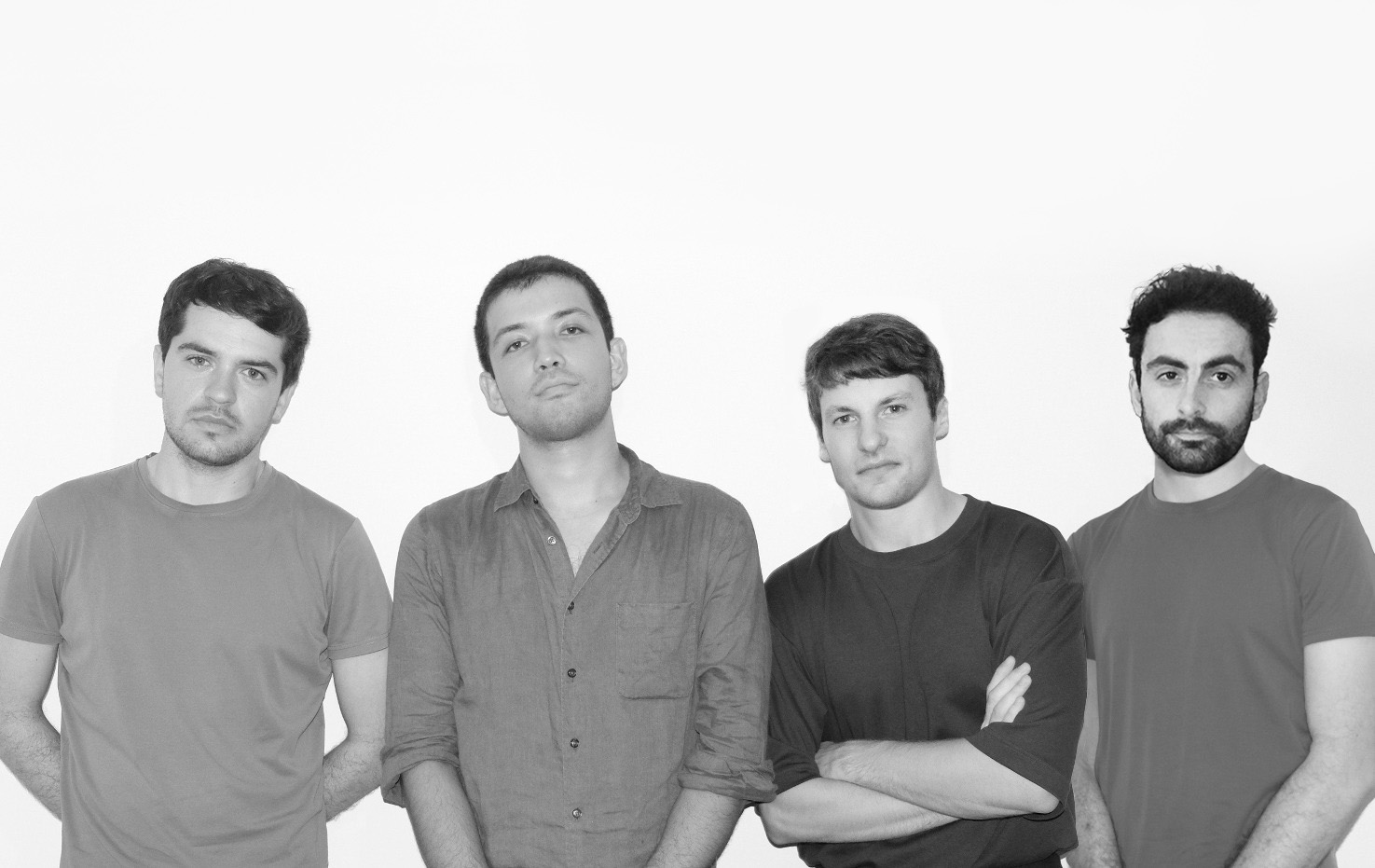
Can you tell us more about you?
We are four young architects, between 24 and 26 years old, living and working in Barcelona. Although we come from different countries (Spain, France, and Italy) and universities (Politecnico di Milano and the Technical University of Architecture of Barcelona), our passion for architecture and our shared design philosophy quickly brought us together into this team.
What was your feeling when you knew you were among the top projects of the competition?
It was undoubtedly enjoyable, especially due to the large number of partecipating projects from all over the world.
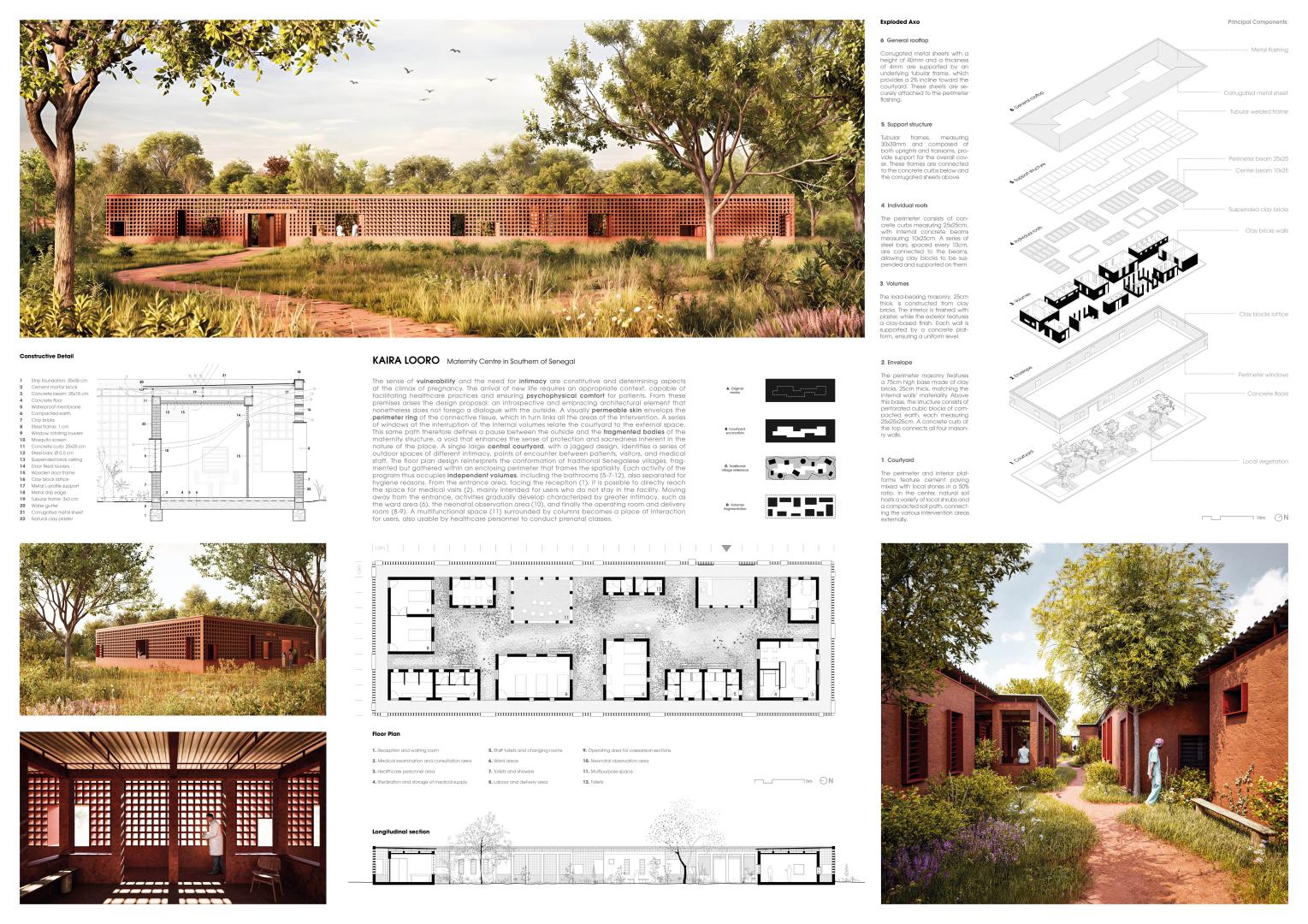
Can you briefly explain the concept of your project and which is the relationship between it and the women’s health?
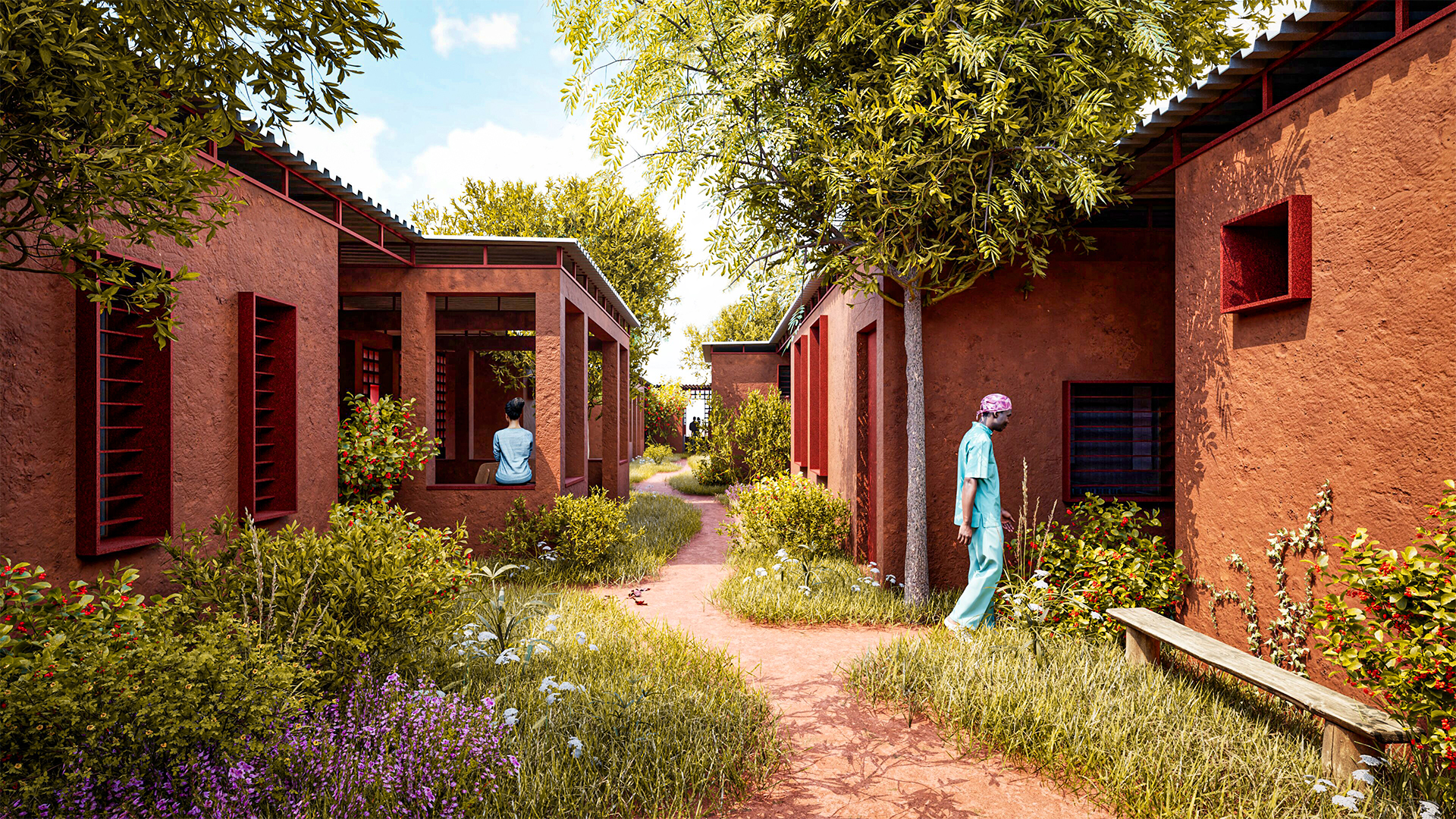
The project stems from the desire to empathize psychologically with a woman in the period leading up to childbirth. From this consideration, an architectural proposal takes shape that aims to offer a very perceptible sense of protection, while also striving to define an efficient and logical functional organization to facilitate medical practices.
Which aspects of a design do you focus more during designing?
Obviously, the design aspects to emphasize change from project to project. In our opinion, the true skill of an architect lies in understanding which of these aspects is truly important in the specific context of the intervention. In this case, it was the desire to create a safe, calm, and enveloping space, so the main design aspect was related to spatial perception.
Has your design been inspired by other projects in developing countries or past projects of Kaira Looro?
Since the project theme was new to us, we immediately turned to references in similar contexts, such as Albert Faus and Kéré, especially for construction details and materiality. Developing a proposal in this specific context was very educational and allowed us to learn about numerous new designers and construction techniques.
How your idea of architecture can improve health in developing countries, and how the local community concerned could perceive this architecture?
We strongly believe in the concept of responsible architecture, where the design has positive social, health, technical, and economic impacts on the context in which it is implemented. In the specific scope of this intervention, design strategies such as bioclimatic principles, use of local materials, and community participation are certainly among the key tools that an architect can employ to create a space that is accessible, functional, and integrated within its context. From your point of view, what are the responsibilities of architects in dealing with complex issues such as health’s rights in developing countries? If it is true that architecture has the power to improve life for both the individual and the entire community, it is also true the opposite. Many developing countries are filled with poorly designed new buildings that try to emulate the "Western way," disregarding local traditions and identity. Therefore, a good architect has a tremendous responsibility: to deeply understand the context in which they are called to intervene, respecting local traditions and avoiding any semblance of cultural superiority.
The competition registration fee was devolved to the non-profit organization Balouo Salo that helps people in disadvantage area of Senegal. How has it affected you approach to the competition?
Aware of the donation to Balouo Salo, we had no issues with paying the registration fee. The aim of the competition is also to give professional opportunities to young architects with internship prize and visibility at international level, and we wish your team the best achievements for your career. How do you think you will be in next 10 years? According to you, can this award affect your future?
It's difficult to imagine where we'll be in 10 years in a world changing at an exponential rate. What we do know for certain, however, is that we will be doing our best as architects, perhaps in our own studio. The outcome of this competition will certainly be a significant cultural asset for us, regardless of its actual impact on our careers.