Interview with Yong Rong Ooi
Special Mention of the 2024 Edition
Can you tell us more about you?
I am Ooi Yong Rong, from Penang, Malaysia. Growing up amidst the rich heritage of this city, I became intimately acquainted with its rapid evolution and the myriad issues that unfolded alongside its development. My journey as an architecture designer has been profoundly shaped by this upbringing.
What was your feeling when you knew you were among the top projects of the competition?
I am overwhelmed with excitement and deep gratitude. It is incredibly fulfilling to see that my work has resonated so well with the juries. This recognition not only validates the effort I have invested but also inspires me to continue pursuing excellence in my future projects.
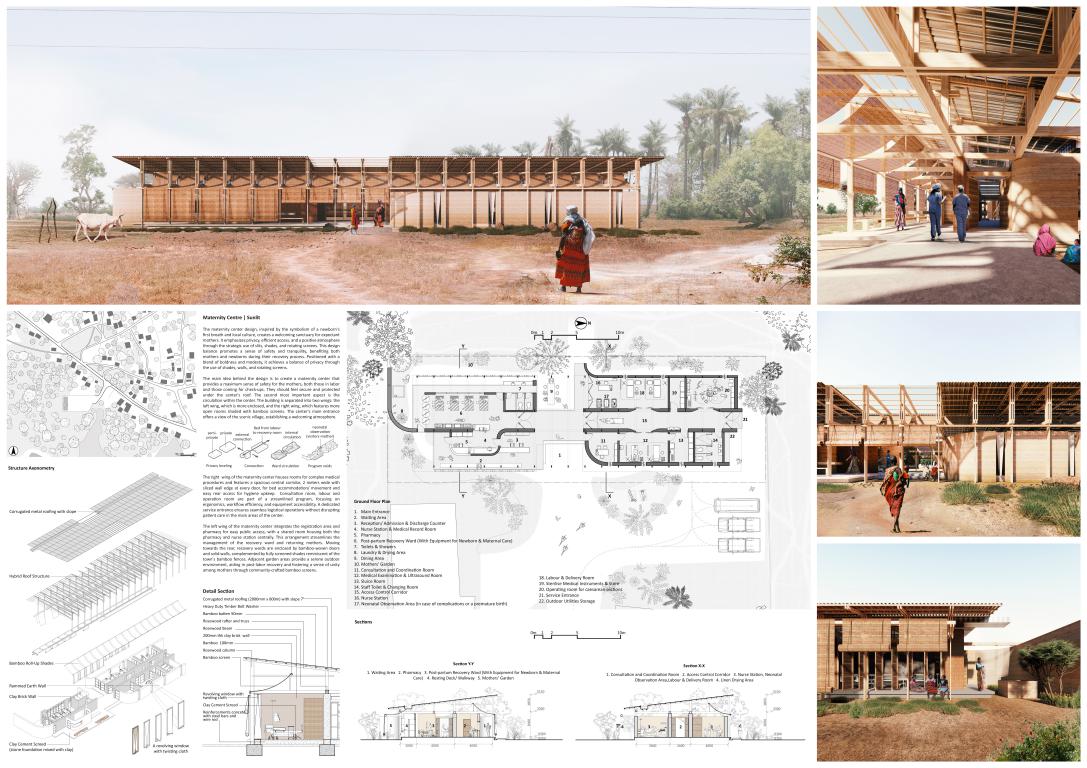
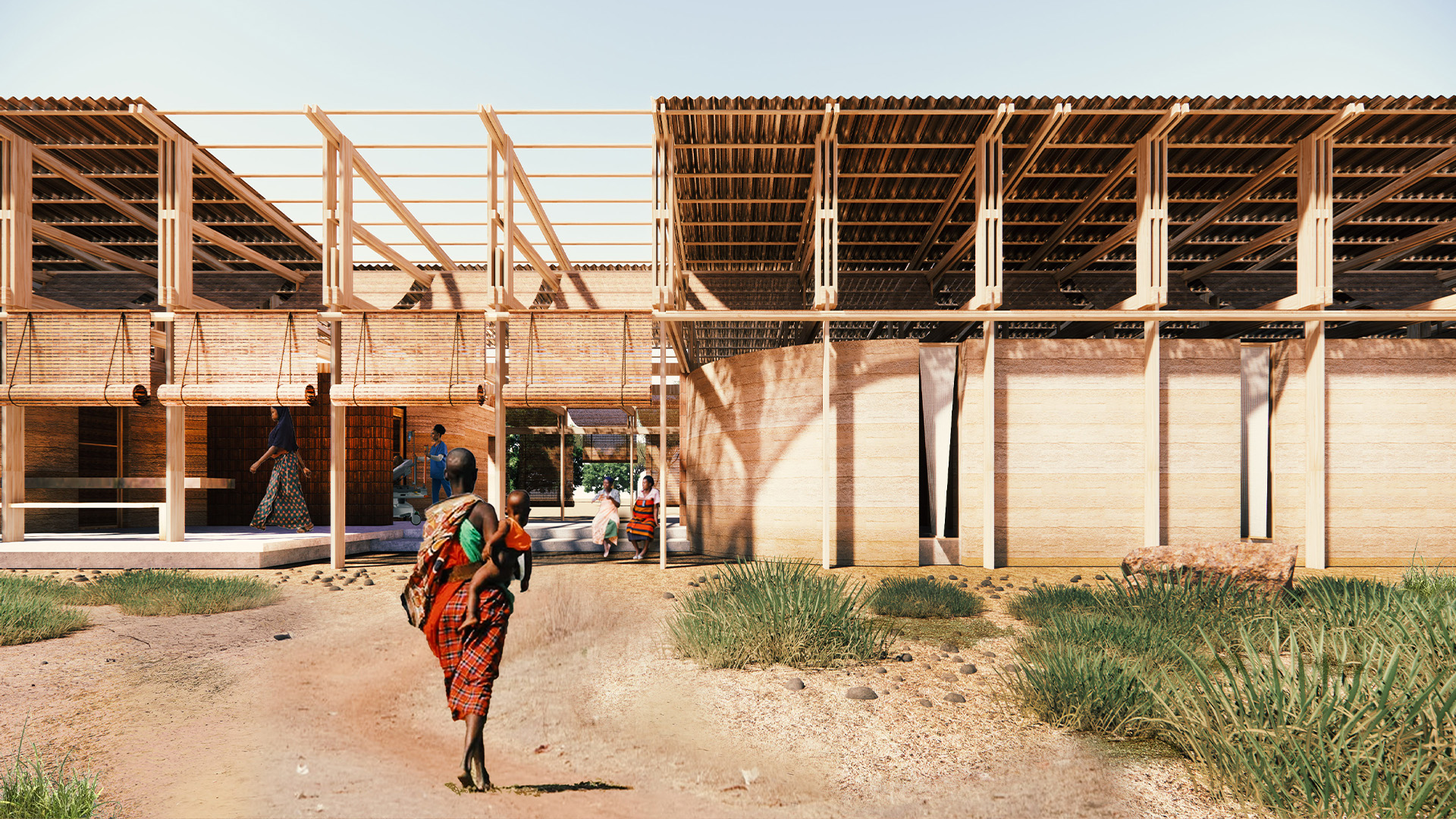
Can you briefly explain the concept of your project, and which is the relationship between it and the women’s health? The project concept revolves around prioritizing mothers' privacy while optimizing access and efficiency in medical care. The maternity center aims to provide a secure environment where mothers feel safe and protected, whether they are in labour or attending check-ups. Positioned with a blend of boldness and modesty, it achieves a balance of privacy using shades, walls, and rotating screens. The relationship with women's health lies in creating a supportive environment that enhances privacy and safety.
Which aspects of a design do you focus more during designing?
Efficient circulation within the center is a primary focus during the design phase. Careful planning ensures that spaces facilitate smooth movement for both patients and medical staff, enhancing overall operational efficiency and patient care experience. They should feel secure and protected under the center's roof.
Has your design been inspired by other projects in developing countries or past projects of Kaira Looro?
In my country, we often design shading devices to mitigate the intense sunlight. What intrigues me about this project is the opportunity it presents to integrate my own designs such as bamboo shades and rotating screens.
How your idea of architecture can improve health in developing countries, and how the local community concerned could perceive this architecture?
Healthcare facilities should be accessible, welcoming, and familiar to local communities, ensuring they feel comfortable and connected when accessing services. Involving community members, including local mothers, in the design and creation of features like shading devices and privacy screens fosters a sense of ownership and engagement. This participatory approach not only ensures that the design meets the specific needs and cultural preferences of the community but also empowers them to take pride in and utilize the facilities effectively.
From your point of view, what are the responsibilities of architects in dealing with complex issues such as health’s rights in developing countries?
Architects have the responsibility to collaboration of various sectors, gather input from various sources, considering interdisciplinary approaches to address the needs of local people. This helps to inspire their pursuit of solutions for complex issues such as health rights, exploring possibilities from a conceptual standpoint.
The competition registration fee was devolved to the non-profit organization Balouo Salo that helps people in disadvantage area of Senegal. How has it affected you approach to the competition?
My architectural approach focuses on creating designs that not only meet immediate needs but also endure over time, effectively serving the community for years to come. This emphasis on quality over cost ensures that the building remains a sustainable and beneficial asset to those it serves.
The aim of the competition is also to give professional opportunities to young architects with internship prize and visibility at international level, and we wish your team the best achievements for your career. How do you think you will be in next 10 years? According to you, can this award affect your future?
Winning an award like this could greatly influence my future by enhancing my visibility at an international level and validating the quality of my work. In the next 10 years, I will remain humble and continue to strive diligently on my architectural journey, putting my heart into achieving my long-term goals and making meaningful contributions to the field of architecture.