Interview with Bogdan Loviste
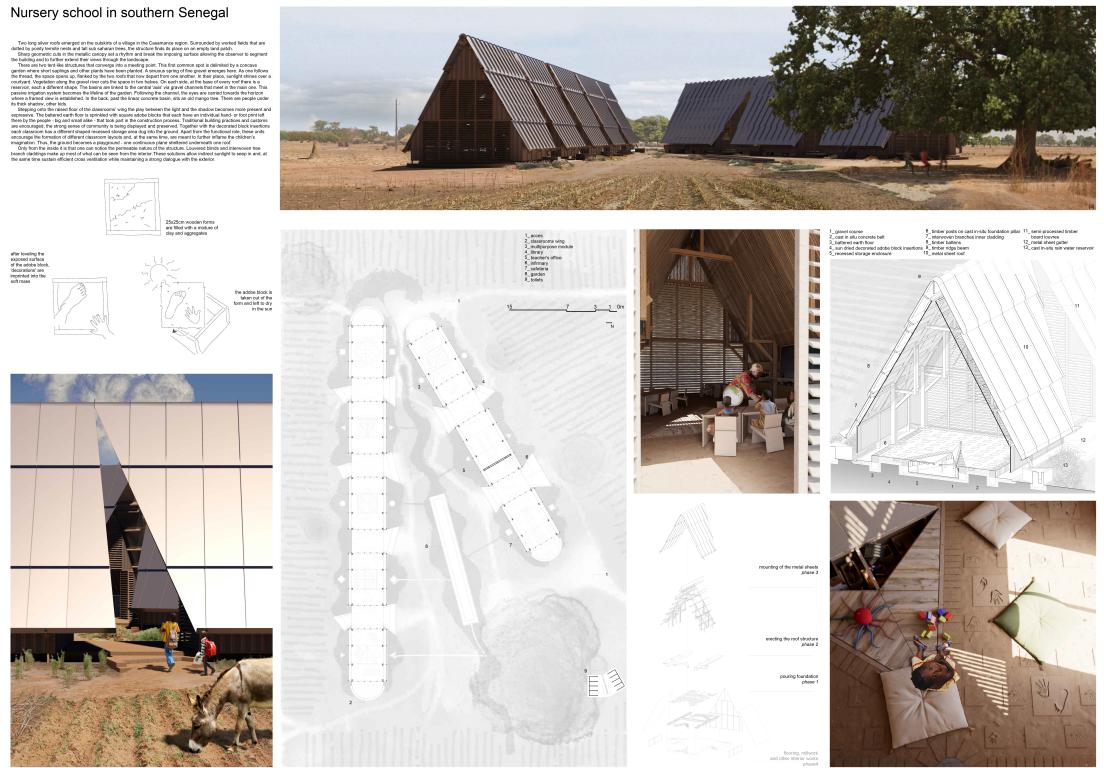
Honourable Mention of the 2025 Edition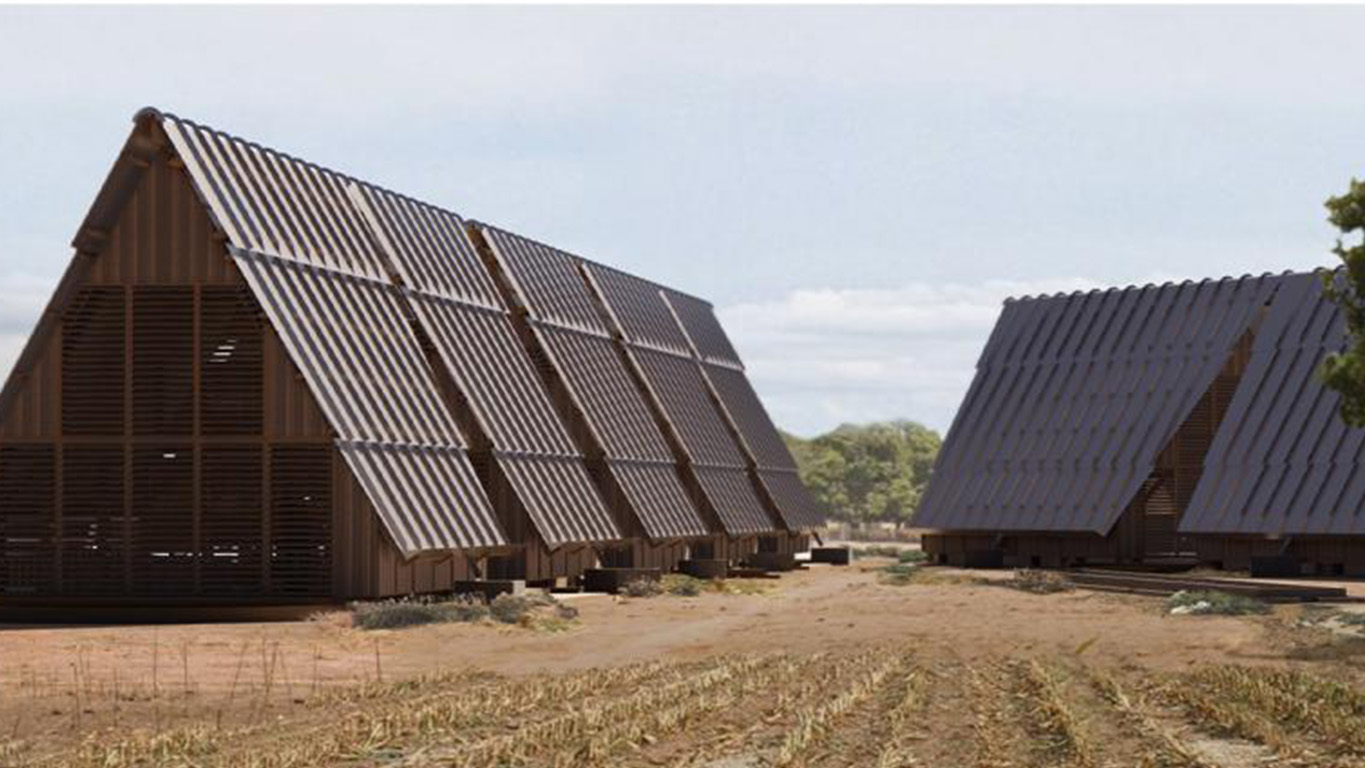
Could you briefly introduce yourself and share something about your background in architecture or design?
My name is Bogdan, I was born in the small town of Curtea de Argeş – the first capital of Wallachia – and spent most of my life in the west of Romania, in Timişoara. I believe these two places left an impression on me as both have a lot to offer in terms of architecture. I never knew that, but when suddenly I was faced with the choice of studying visual arts – my first passion – or interior design, I chose to go to Bucharest, at the University of Architecture and Urbanism “Ion Mincu”. I did one year of architecture masters in Genova and the next year I finished my studies in Bucharest. Now I am working at an architecture firm in the same capital.
What was your reaction when you found out that your project received an Honorable Mention in the Kaira Looro 2025 competition?
I was glad when I found out about it. I was “relieved” to know it didn’t go higher, because I didn’t think that it was good enough for that. Of course, I was hoping to come up with the best solution so we could build it, but my proposal didn’t reach that level and the jury agreed with me. I knew it had something special, but I was hoping to be able to put together all the pieces a bit better.
What inspired your design and what message did you hope to express through it?
From the beginning my main intention was to create a space that would be enjoyable to children. I then thought about my childhood and kids around me at that time. Those are times when the world looks different for most children due to their unencumbered imagination. I also wanted to include the community into the building process, to let them make it their own and to give a sense of togetherness. This is how I came up with the idea of the decorated blocks that would make up the floor. Along with the geometric insertions, I knew I would be able to create a fertile environment for creativity and imagination to blossom.
This edition focused on early childhood education in rural Africa. What does this theme mean to you, and why do you think it's important today?
As time goes on, life speeds up around us and we need to keep up with it, so of course, education has never been more important. Every person should start their life full of hope and maintain this hope throughout their teens before they start working. Education can open their eyes to what is and what could be done to better oneself and the others around them, thus I believe education is vital, especially during the first years of a child’s development. I am very pleased to know that more light is shined on these less fortunate cases where education accessibility is a problem and that more organizations act towards solving these issues.
How did the idea of building with local materials and sustainability influence your project?
As far as I’m concerned, these kinds of “limitations” are welcomed. From time to time, I enjoy taking the challenge of distancing myself from modern standardised and rigid ways of building in favour of embracing the plasticity and messiness that governed the way people used to build. This competition brings out the joy of building with the hands, together with others and using materials that are unique because of their local sourcing. I do believe there is something inherently special that links man to an “architecture of the place” that is thus implicitly created. I would love to implement these kinds of principles in my future projects.
Did you draw inspiration from any existing projects or humanitarian initiatives, including previous editions of Kaira Looro?
Sure, all the projects are inspiring in some way. I think the most recurrent and compelling motif was that one of the roof – one big roof underneath which everything functions the way it is supposed to, with more or less separation from the outside. It truly is the embodiment of the shelter and what it has to offer – from the most rudimentary examples of prehistory to today’s contemporary architects’ explorations into the potential of it. This definitely helped shape my idea of how I wanted my building to work.
As your registration supported humanitarian projects in Senegal, how did that influence your motivation or approach to the competition?
I think I always wanted to do things for people to enjoy or use in some way – whether it was a painting I made or through a built space. In the last years of uni, it became clear to me that I would like to orient my future practice towards helping those most in need. Naturally, this competition was right up my alley – intention-wise.
What do you think is the role of architecture in helping communities in need?
In the most bare-bone sense, architecture offers shelter. Whether it is the home or your business’ headquarters, it needs to be able house it properly. In case of the communities where need is the strongest, the shelter becomes an essential element and sometimes a question of life and death. Architecture has always been the stage where each individual life gets to play, so we can look at it as the necessary medium for one to play his own part. I believe everybody deserves the chance to take a swing at life and architecture is that silent partner that supports us in our journeys.
What are your future hopes or plans in architecture, especially in relation to social and humanitarian impact?
I wish to be able to achieve a better reach professionally in the world of architecture and I plan to do this by first getting an architecture degree as well. This is something for the near future. In the long run, I hope that with it I will manage to fully express myself through space building and with this bring better times wherever it is needed. This is what gives me joy – seeing others happy, especially those in need. Given that I have been imagining toy worlds, drawing and painting my whole life, it would be only fair to start doing it like the big adults that design our environment and share the joy that I get from it with the rest.