Interview with Hosein Musavi, Maryam Baharvandi, Ali Jamali, Amir Hossein, Saeedi Majd
Special Mention of the 2025 Edition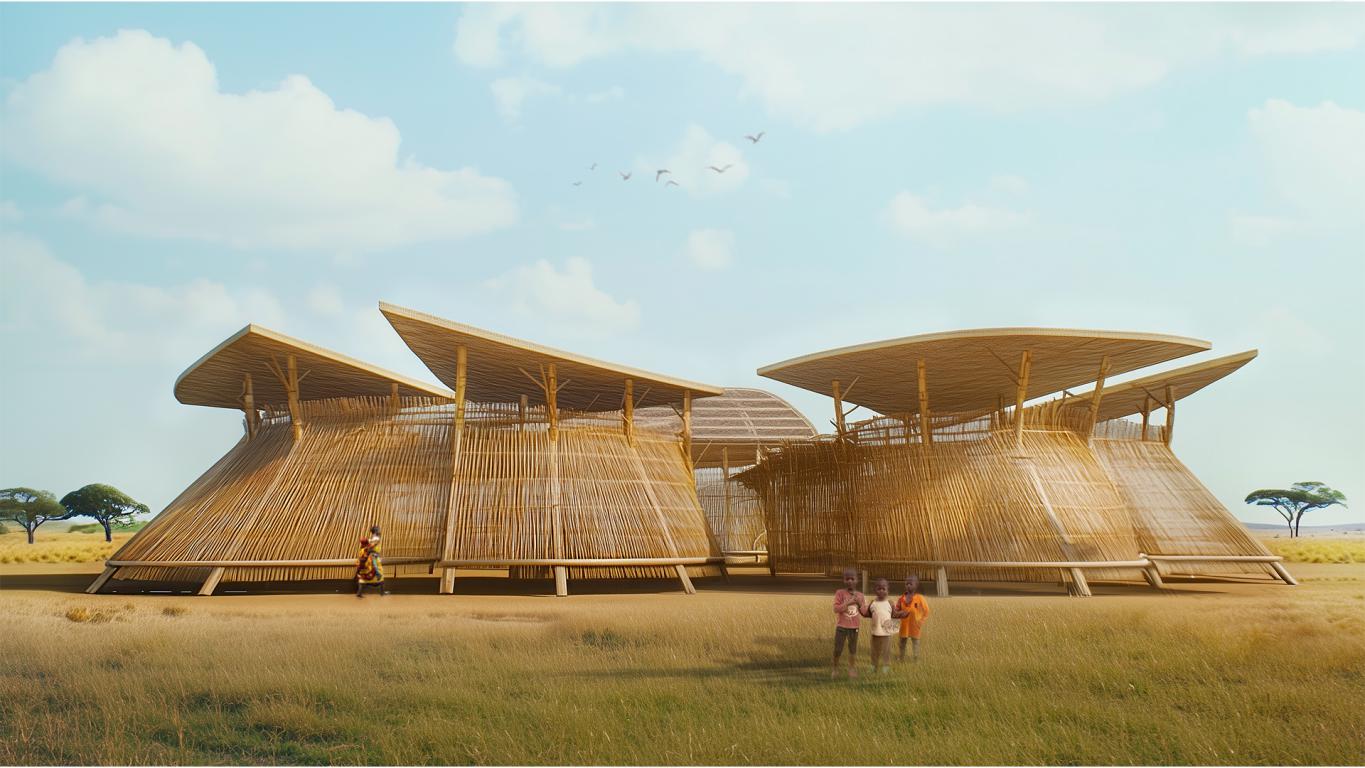
Can you briefly introduce yourself and your team?Can you briefly introduce yourself and your team?
My name is Maryam Baharvandi. I have a Master’s degree in Architecture and currently work as a Project Specialist at Corgan in the U.S. Our team includes my close friends and former teammates: Hossein Mousavi, a graduate of the university of Art and Architecture in Tehran and an architect; Amir Hossein Saeedi Majd, an architect who studied at Rajaei University; and Ali Jamali, an architect from Roudehen University. We’ve collaborated on many architecture competitions over the years. These experiences helped us grow individually and support each other as a team, always pushing one another toward improvement.
How did you feel when you received a Special Mention in the Kaira Looro 2025 competition?
We were truly happy and regardless of the result, participating in this competition was an incredibly valuable and unique experience for all of us. We knew how prestigious and meaningful this challenge was, and we’re proud to have been a part of it.
What inspired your project?
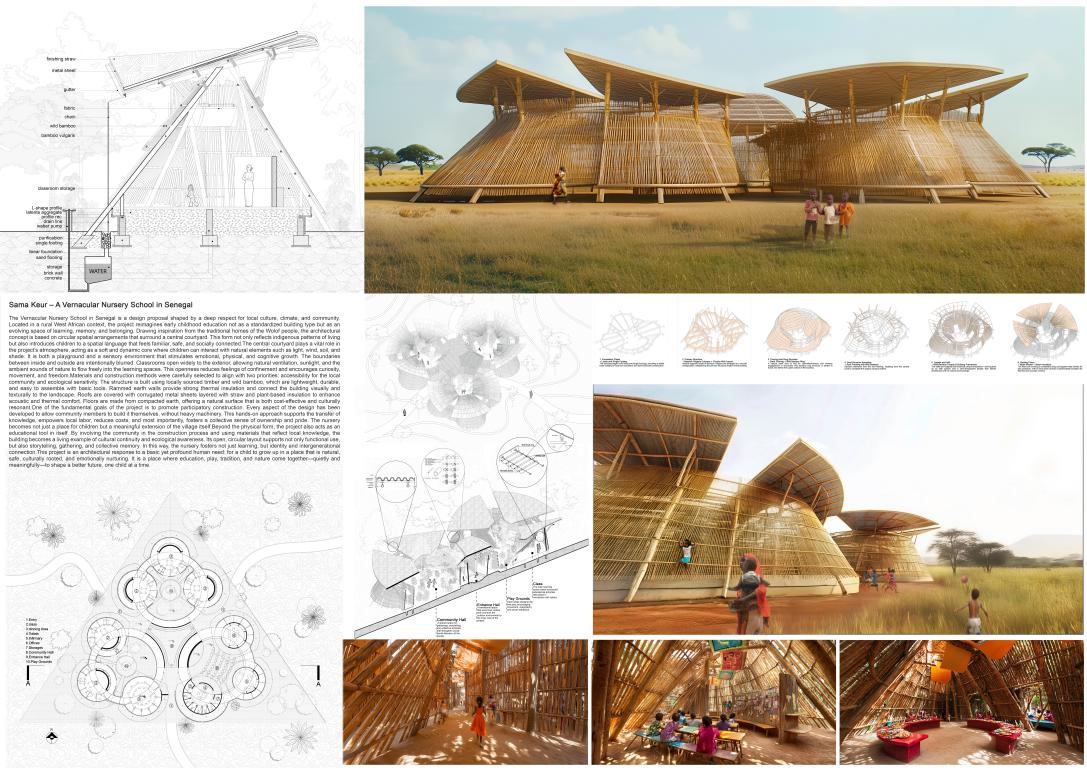
Our nursery school design was inspired by the traditional round houses of the Wolof people in Senegal, which are typically built around a central courtyard. This circular form creates a sense of safety, belonging, and connection for children. In rural Senegal, nature plays a big role in kids’ everyday lives. They grow up with the wind, light, soil, sounds, and open space all around them. Nature acts as a living teacher, offering lessons through play and experience. That’s why our design aimed to keep children closely connected with nature. The classrooms are open to the outside, letting in fresh air, natural light, and outdoor sounds. The central courtyard is a soft, earthy playground where kids can play, learn, and grow. The use of natural materials, open layouts, and the circular form all work together to create a familiar, lively, and nurturing environment—one where learning happens through real experiences.
What does the theme of early childhood education mean to you?
Early childhood education is one of the most crucial stages in a person’s life. It’s when key aspects of personality, cognitive and emotional skills, creativity, and confidence are formed.Investing in quality education at this stage doesn’t just shape a child’s future—it strengthens entire communities. In many rural parts of Africa, including Senegal, children face challenges like poverty, lack of infrastructure, and limited access to teachers or resources. For these kids, early education is more than learning basic subjects—it’s a way to protect childhood, ensure healthy development, and create equal opportunities. Since learning in these areas often happens through experience and storytelling in natural, community-based settings, creating a kindergarten that reflects local culture and lifestyle is much more effective than applying foreign models that may not fit.
What role can architecture play in supporting vulnerable communities?
Architecture can play a powerful role—not just by building structures, but by creating spaces that provide safety, dignity, and a better quality of life. Using local materials, designing based on the climate and culture, and involving the community in the building process can reduce costs, build a stronger sense of belonging, and empower people. In this way, architecture becomes a tool for social justice and rebuilding hope. It helps meet real human needs, especially in places facing poverty or inequality. A project like this kindergarten in Senegal is a good example of a participatory, cultural, and human-centered approach that supports communities rather than imposing something unfamiliar.
Did the humanitarian purpose of the competition influence your participation?
Humanitarian architecture matters because it goes beyond building it’s about improving lives, especially for the most vulnerable. This kind of design is rooted in a deep understanding of people’s cultural, emotional, and social needs. It creates spaces where people feel safe, connected, and able to grow. Humanitarian architecture can spark real change. It turns people from passive users into active participants in shaping their environment. This not only strengthens identity and hope but also contributes to social justice.