Interview with Ariane Baillargeon
Honourable Mention 2026
Could you briefly introduce yourselves and share your academic background and approach to architecture?
My name is Ariane Baillargeon, and I am a third-year Bachelor of Architecture student at Université Laval in Quebec, Canada. For me, architecture goes far beyond creating buildings or spaces. It is about designing places that are deeply rooted in their context, where communities can naturally inhabit, use, and make them their own. I believe that meaningful architecture emerges from a sensitive understanding of the site, its culture, its people, and local knowledge, creating spaces that are purposeful, sustainable, and bring people together.
What was your reaction when you learned that your project received a Mention in the Kaira Looro 2026 Competition?
I was truly surprised and incredibly happy when I learned that my project had received an Honorable Mention in the Kaira Looro 2026 Competition. Honestly, I never expected it. As I am still an architecture student, I never imagined that my work would receive this kind of recognition. I am incredibly proud of this achievement. I dedicated countless hours to this project, including many late nights, and seeing all that hard work recognized is deeply rewarding. This experience has given me greater confidence in my abilities and motivates me to continue growing as an architect.
During the design process, what were the main challenges you encountered?
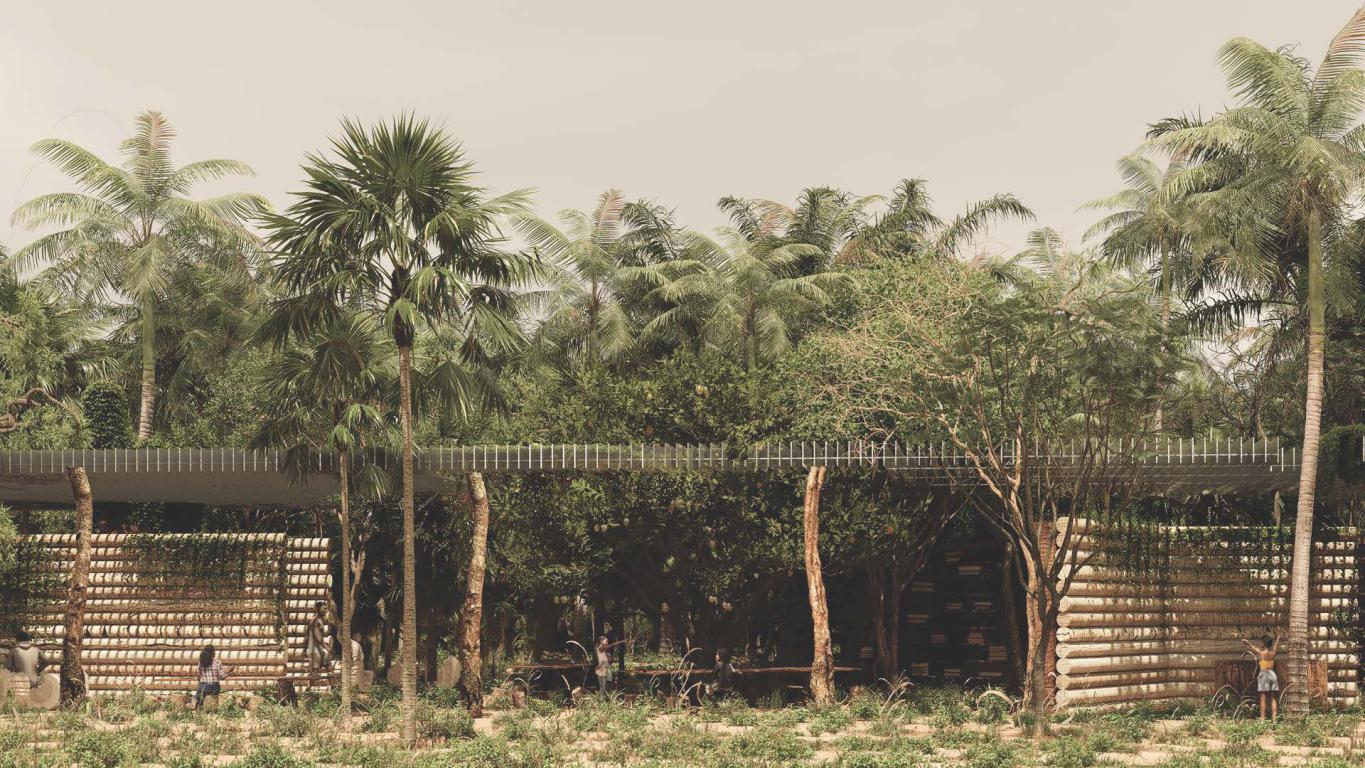
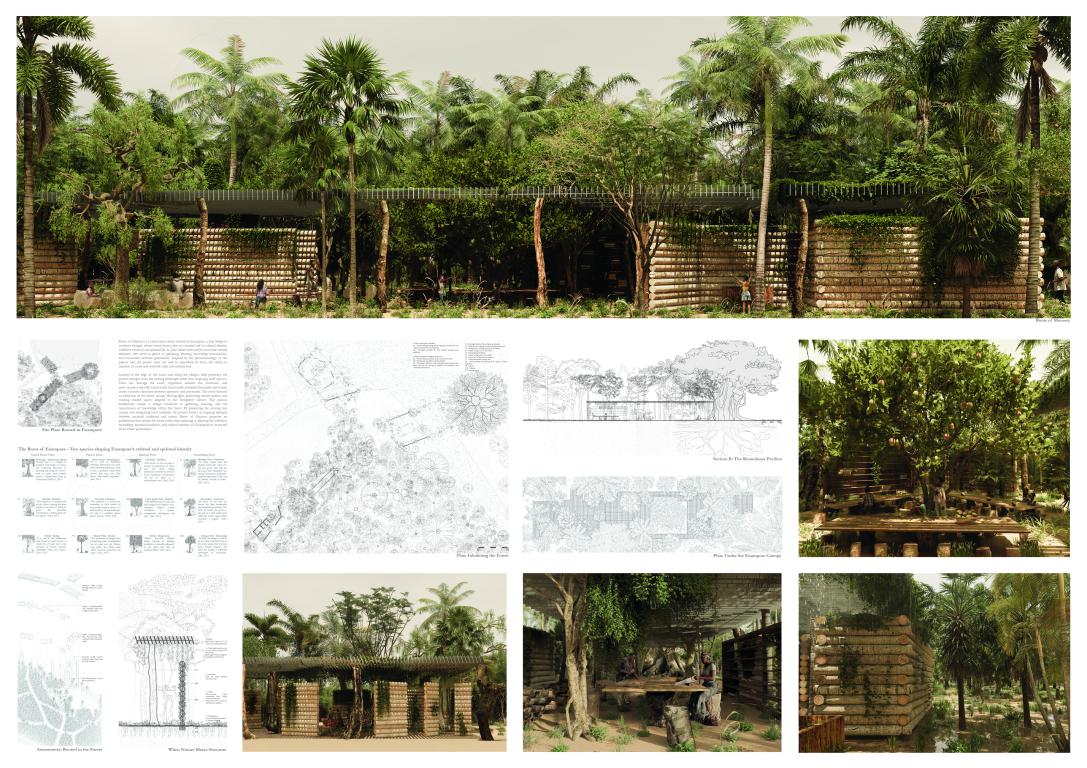
The greatest challenge was understanding the site, as the entire concept emerged from it. My intention was to design an architecture that serves as a support for the forest rather than imposing itself on it. Over time, I wanted the trees and vegetation to gradually inhabit the spaces, allowing the forest to become a true refuge. This required creating a minimalist architecture that harmonizes with the landscape, local traditions, and the existing trees, while quietly receding into the background so that nature becomes the main protagonist of the project.
This year’s theme focused on a Community Centre for rural communities in Sub-Saharan Africa. What aspects of this brief did you find most inspiring or meaningful?
What inspired me most about this brief was its emphasis on understanding the community before designing it. It encouraged me to learn about the Diola culture, its traditions, and its deep connection with the forest. I found it especially meaningful to design a community center that goes beyond meeting functional needs by helping preserve cultural identity, strengthen social connections, and celebrate local knowledge. This experience reminded me that architecture can become a powerful tool for communities when it grows from a genuine understanding of the place, its people, and their traditions.
Could you briefly describe the main concept of your project and its intended impact on the community?
The concept of Roots of Memory is inspired by the profound relationship between the Jola community and the sacred trees of Enampore, particularly the phenomenology of the palaver tree. Rather than reproducing its form, the project reinterprets its roles of gathering, rootedness, refuge, and knowledge transmission through architecture. Organized around three pavilions dedicated to meeting, learning, and sharing local knowledge, the project celebrates the respectful relationship the Jola maintain with the forest. The spaces accommodate activities such as woodworking, rope making, plant-fiber paper production, and the crafting of musical instruments, all inspired by local traditions and the rituals that precede the use of trees. Through this approach, I sought to create a place where nature, culture, and community strengthen one another, preserving and passing this living heritage on to future generations.
How did considerations such as local materials, sustainability, and construction feasibility influence your design approach?
Local materials, sustainability, and construction feasibility guided every design decision. I chose to use locally reclaimed dead palm tree trunks for the piece-on-piece walls, while the roof structure is supported by dead tree trunks of various species found in the surrounding forest. These choices make use of locally available resources while respecting the beliefs surrounding sacred living trees. The two-thirds-height walls promote natural ventilation, while the roof acts as a support for vegetation, creating shaded and comfortable spaces. The project was also designed to preserve the existing trees by allowing them to grow through openings in the roof while responding to the Senegalese climate through passive design strategies. My goal was to create an architecture that is simple, feasible to build with local resources, and deeply in harmony with its environment. In your view, what role can architecture play in addressing social and humanitarian challenges today? I believe architecture can help address social and humanitarian challenges when it is developed in collaboration with communities. Beyond creating buildings, it can strengthen social connections, preserve cultural identity, and improve people's quality of life. Meaningful and sustainable architecture begins with an understanding of its context, respect for local knowledge, and a response to the real needs of the people who will use it. Architecture also has the power to bring people together around a shared purpose, encouraging them to participate in creating places that are truly meaningful, useful, and beneficial to their community.
How does this recognition influence your motivation and your future direction as young architects or designers?
This recognition has greatly strengthened my motivation to pursue architecture. As a student, receiving an Honorable Mention in an international competition has given me greater confidence in my abilities and reassured me that my approach to architecture is meaningful. It encourages me to continue designing projects that are deeply rooted in their context and responsive to the needs of communities and their environment. As I continue my architectural journey, I hope to further develop an approach that is thoughtful, sustainable, and meaningful.