Interview with IHYEON PARK , HYUN JE KOO
Special Mention 2026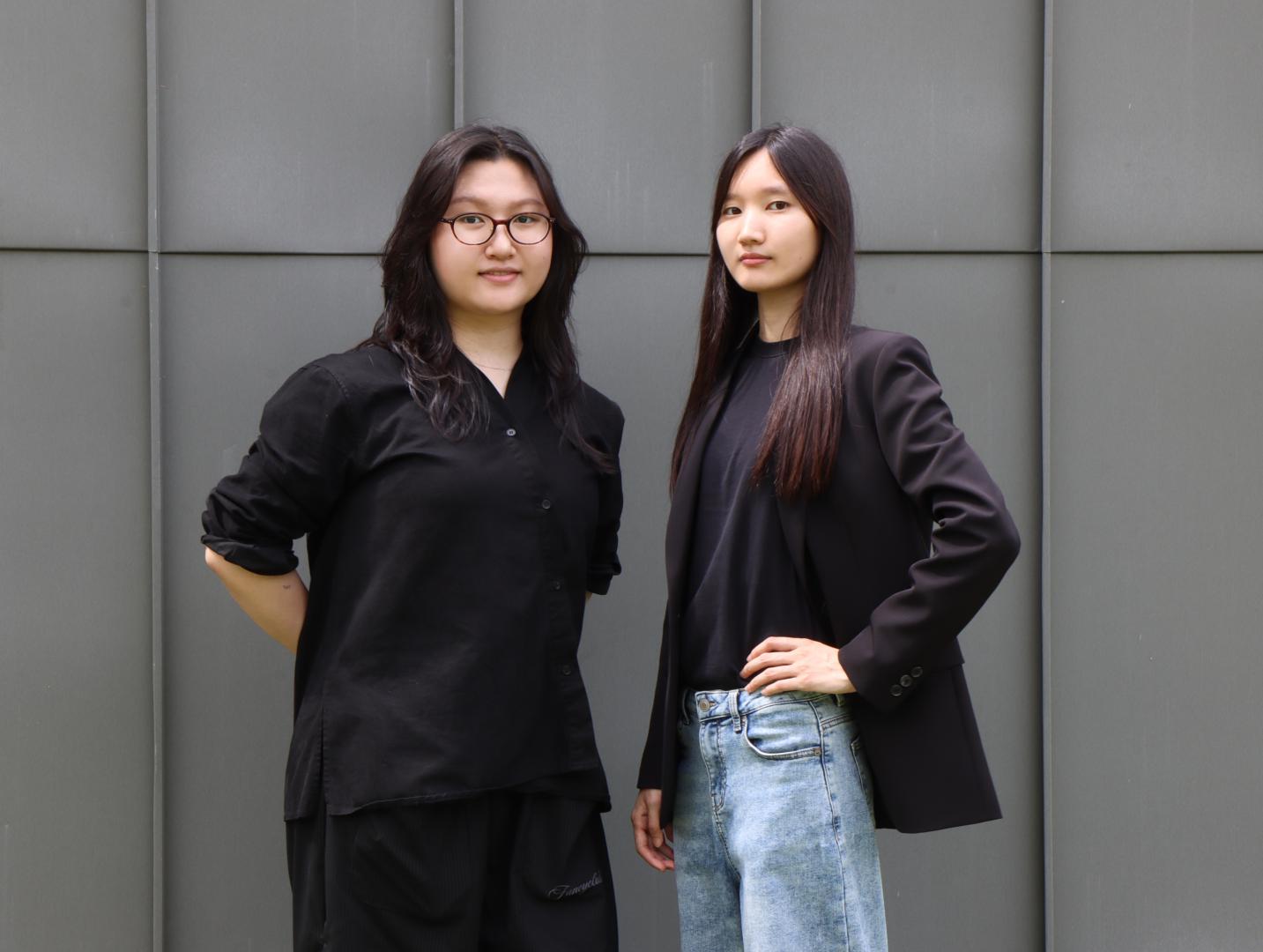
Could you briefly introduce yourselves and share your academic background and approach to architecture?
Our team brings together two distinct academic backgrounds: architecture and interior design. By merging our different perspectives and knowledge, we aimed to create a harmonious design that meticulously balances large-scale external structures with intimate interior details. This collaborative approach allowed us to design a highly context-specific community center that thoroughly integrates sustainability, hands-on community participation, and refined architectural detailing from the inside out.
2. What was your reaction when you learned that your project received a Mention in the Kaira Looro 2026 Competition?
We were absolutely thrilled and deeply honored to receive this recognition among so many inspiring global entries. Knowing that our technical honesty, practical solutions, and humanitarian approach resonated with the jury gave us immense validation, joy, and great confidence for our future.
3. During the design process, what were the main challenges you encountered?
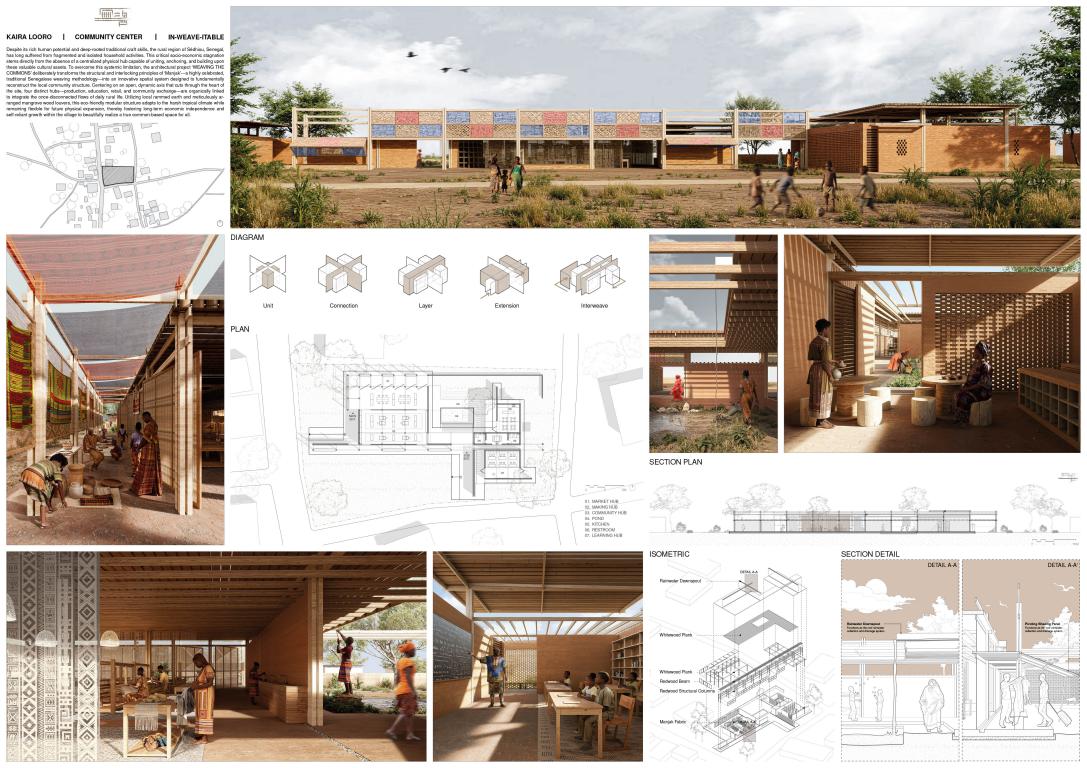
The main challenge was balancing structural rhythm with functional flexibility while utilizing limited local resources. Translating the complex concept of a traditional Manjak woven textile into a realistic, low-tech wooden framing system required rigorous modular exploration, continuous structural simplification, and careful technical consideration.
4. This year’s theme focused on a Community Centre for rural communities in Sub-Saharan Africa. What aspects of this brief did you find most inspiring or meaningful?
We were deeply inspired by the concept of a center that serves as a vibrant platform for social connection and a proud celebration of local cultural identity. The challenge of creating an adaptable, flexible space that empowers the rural community through self-construction and collective ownership was incredibly meaningful and motivating to us.
5. Could you briefly describe the main concept of your project and its intended impact on the community?
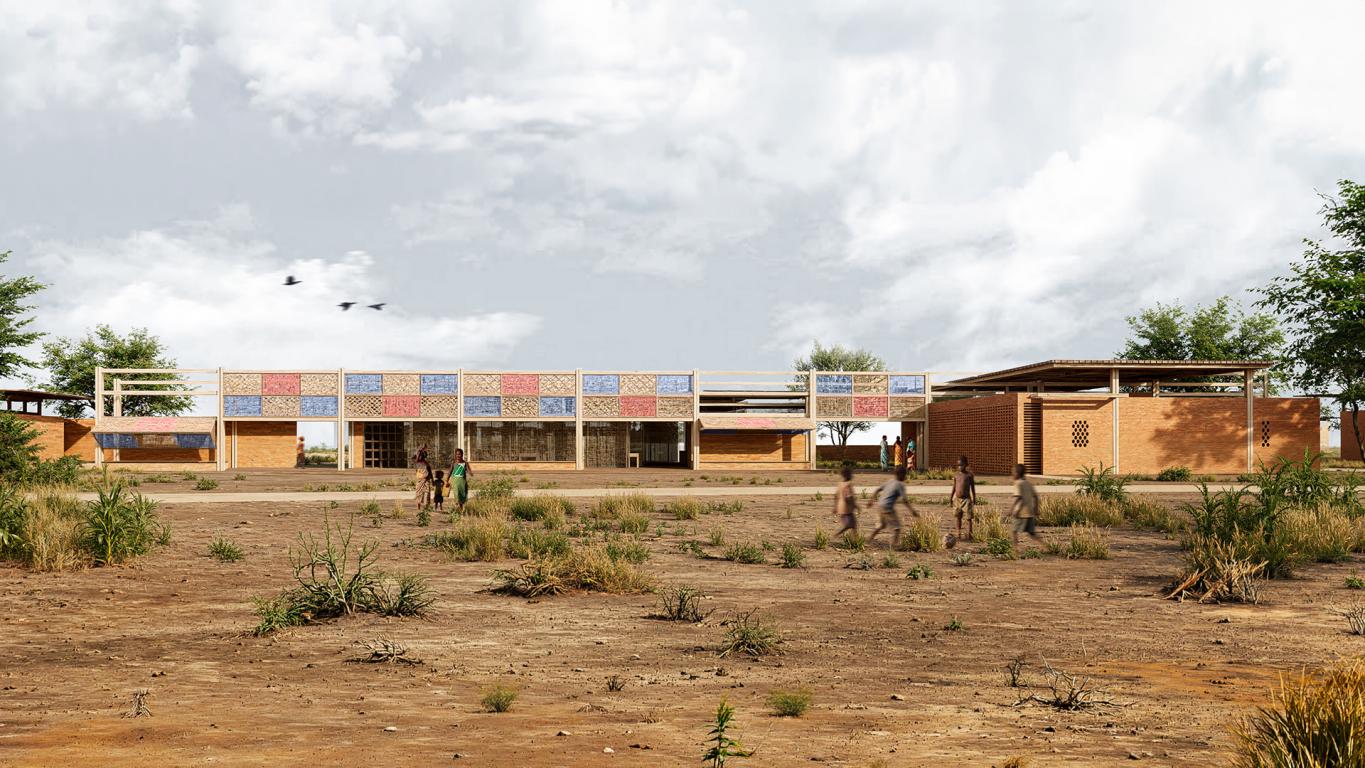
The main concept is to directly spatialize the traditional Manjak weaving craft into the architectural layout, designing a center that enhances accessibility and community solidarity. To realize this woven spatial grid, we combined a modular structural system made of locally favored rosewood and whitewood, ultimately creating an open, inviting platform that naturally fosters social cohesion, daily interaction, and unity among villagers.
6. How did considerations such as local materials, sustainability, and construction feasibility influence your design approach?
They were the primary drivers of our design; we chose locally available rosewood, whitewood, woven bamboo mats, and native earth to ensure a zero-carbon footprint. By designing a simple "prop-and-notch" system for the kinetic panels using these native timbers, we ensured that local villagers could easily build, assemble, and maintain the structure without heavy machinery or specialized skills.
7. In your view, what role can architecture play in addressing social and humanitarian challenges today?
Architecture should not just be a static monument, but an active, adaptable platform that restores dignity and provides resilience to vulnerable, marginalized communities. It addresses modern humanitarian challenges by offering practical, sustainable, and ecological solutions that truly belong to the people who build and use them.
8. How does this recognition influence your motivation and your future direction as young architects or designers?
This recognition fuels our passion to continue exploring low-tech, high-impact architecture that prioritizes community needs over formal extravagance. It gives us the solid confidence to dedicatedly pursue a future path focused on socially responsible, ecologically mindful, and community-centered design as young designers.