Interview with Eduardo Maximiliano Zepeda Ledesma
Special Mention 2026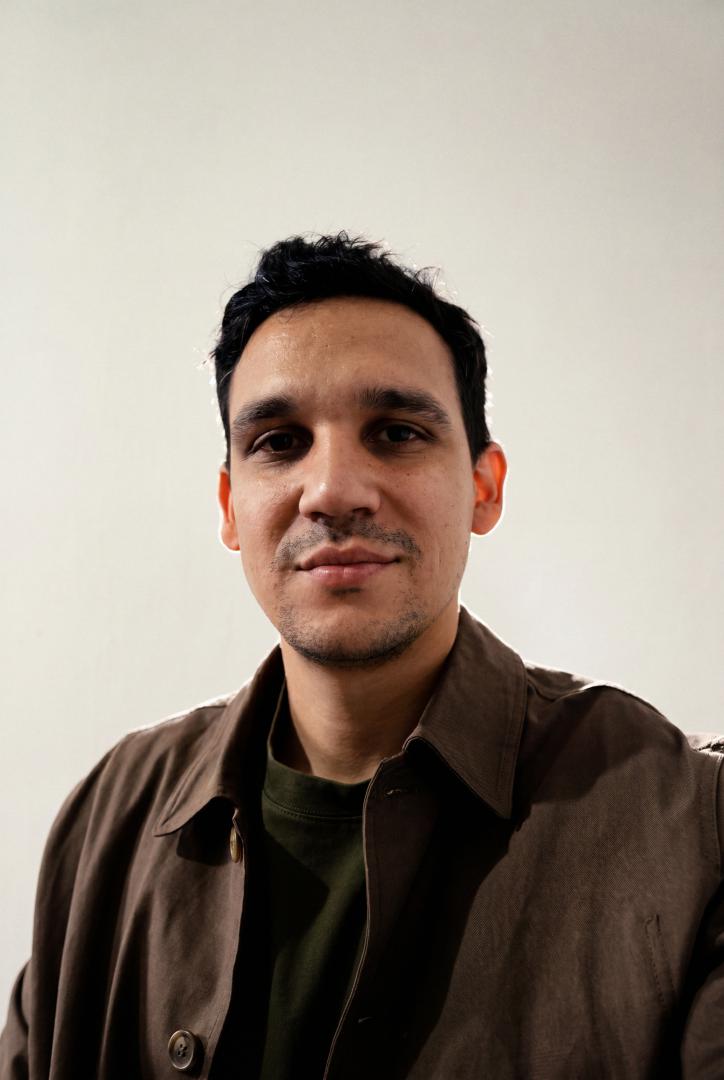
Could you briefly introduce yourselves and share your academic background and approach to architecture?
My name is Maximiliano Zepeda, Mexican architect from the Universidad de Guadalajara. My approach to architecture has been help through the conceptual phase of design in many firms.
What was your reaction when you learned that your project received a Mention in the Kaira Looro 2026 Competition?
I was very happy. The news arrived very early in the morning, and after reading the email it was impossible to go back to sleep. Receiving this recognition was both exciting and motivating.
During the design process, what were the main challenges you encountered?
The greatest challenge was creating something that was simple yet powerful, affordable yet beautiful, and easy to build while still being innovative. Finding that balance required constant refinement throughout the design process. This year’s theme focused on a Community Centre for rural communities in Sub-Saharan Africa.
What aspects of this brief did you find most inspiring or meaningful?
A community centre is much more than a building; it is a place where people can learn, be inspired, strengthen their passions, and connect with one another. I found it meaningful to imagine a space capable of bringing together all these human activities while becoming a valuable asset for the community.
Could you briefly describe the main concept of your project and its intended impact on the community?
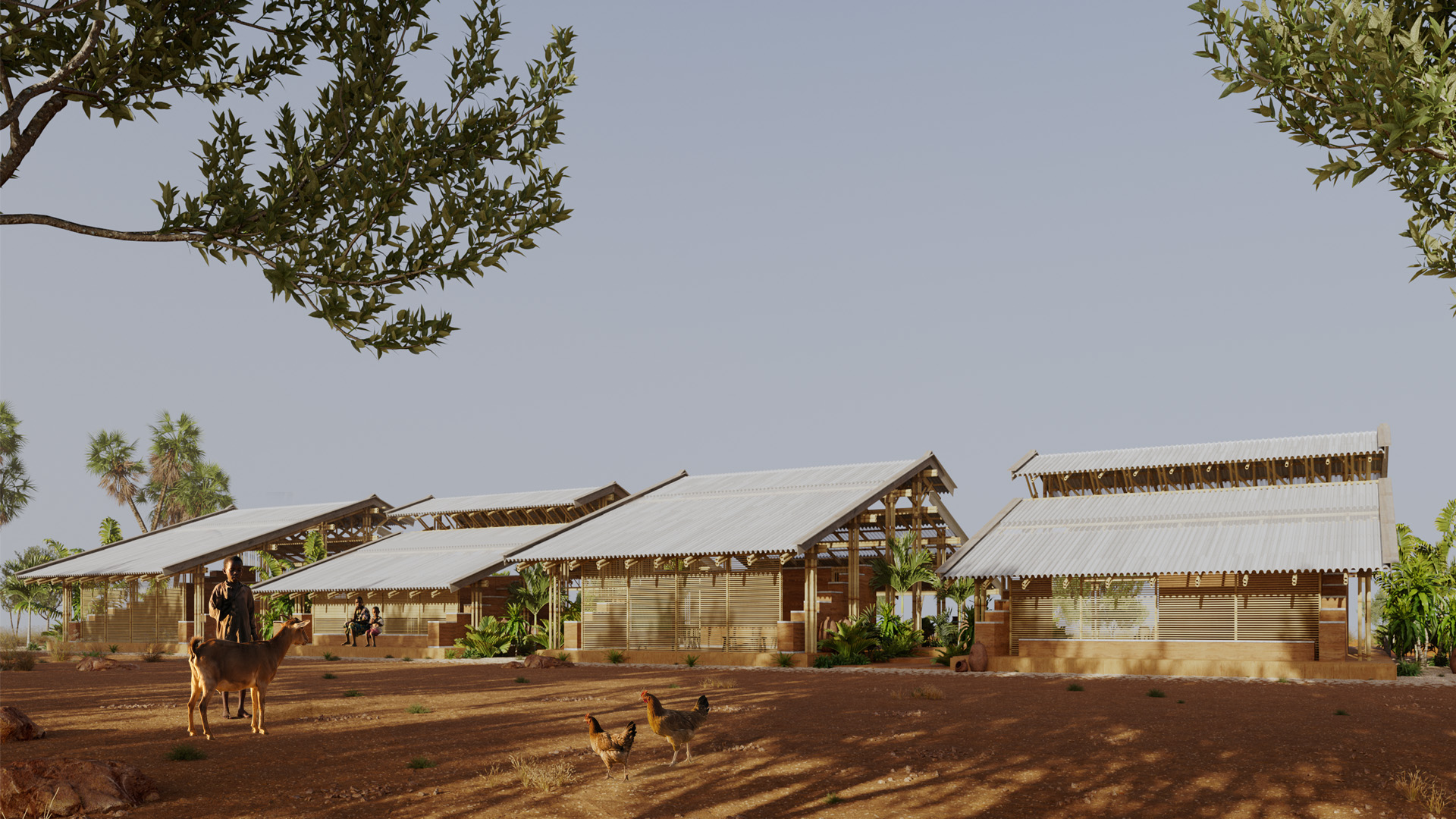
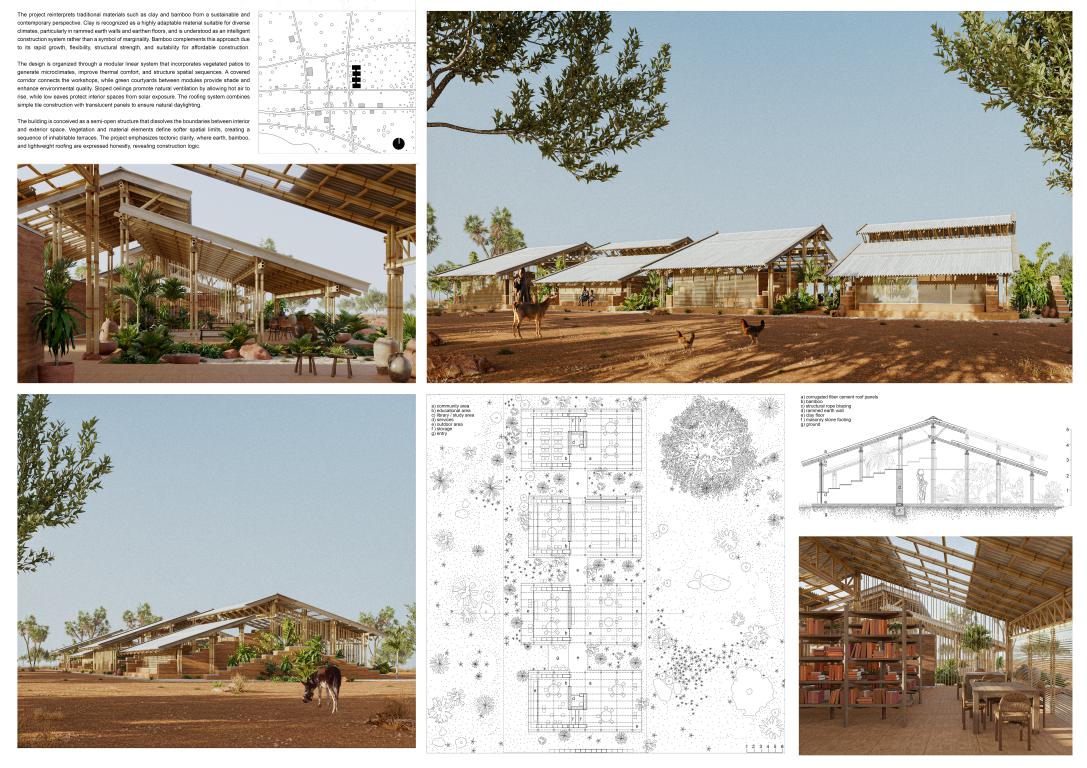
I would describe my project as lightweight, semi-open, and sustainable. Most importantly, it is simple enough to be built by local people using accessible techniques and materials.
How did considerations such as local materials, sustainability, and construction feasibility influence your design approach?
Local I believe local materials should not be seen as a stylistic choice, but as an intelligent response to the climate, economy, and culture of a place. I deliberately avoided unnecessary complexity that could make construction more difficult simply for the sake of aesthetics.
In your view, what role can architecture play in addressing social and humanitarian challenges today?
Architecture has the responsibility to bring people together by creating safe, comfortable, and inclusive spaces where everyday activities can take place with dignity. To achieve this, architects must first learn to understand the social, cultural, and environmental context they are designing for. Only then can architecture make a meaningful contribution to people’s lives.
How does this recognition influence your motivation and your future direction as young architects or designers?
This recognition motivates me to continue exploring architecture that creates a positive social impact. It reinforces my belief that thoughtful design can make a difference, regardless of the scale of a project. As a young architect, it encourages me to keep learning, participating in international competitions, and developing solutions that are both practical and meaningful for the communities they serve.